Do latex mattresses it sleep hot?
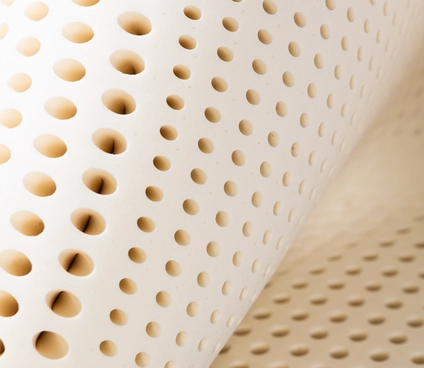
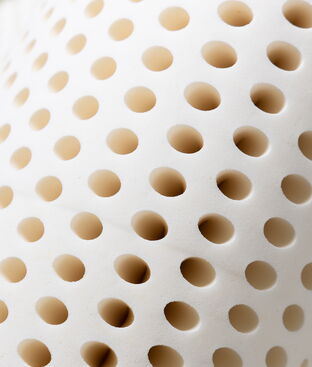
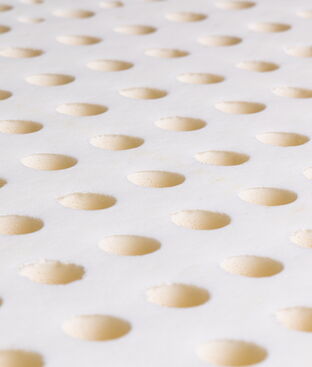
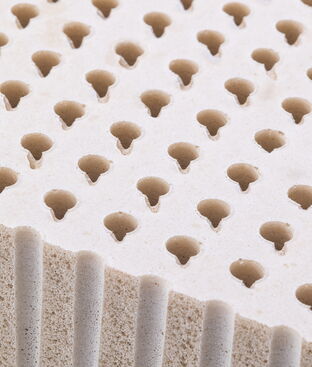
No. Latex is one of the coolest-sleeping foams available. It has an open-cell structure and is usually "pin-cored" (perforated with small holes) during manufacturing to allow for constant airflow. Unlike memory foam, it does not require body heat to soften, so it won't "trap" you in a warm cocoon.
How long will a latex mattress actually last?
One of the main selling points is durability. While a high-quality innerspring or memory foam mattress typically lasts 7–10 years, a 100% natural latex mattress can easily last 15 to 25 years without significant sagging or softening.
Is it safe for people with latex allergies?
Generally, yes. Most people with a "latex allergy" have a contact reaction to the proteins in thin products like medical gloves. In mattress manufacturing, the latex foam undergoes an intensive washing and high-heat vulcanization process that removes or neutralizes these proteins. Additionally, you are usually separated from the latex by a quilted cover. However, if you have a severe/anaphylactic allergy, consult a doctor first.
What does "GOLS Certified" mean?
If you want a truly eco-friendly bed, look for the Global Organic Latex Standard (GOLS). This ensures the mattress contains at least 95% certified organic raw latex and follows strict environmental and social labor standards throughout the supply chain.
Can I customize the firmness?
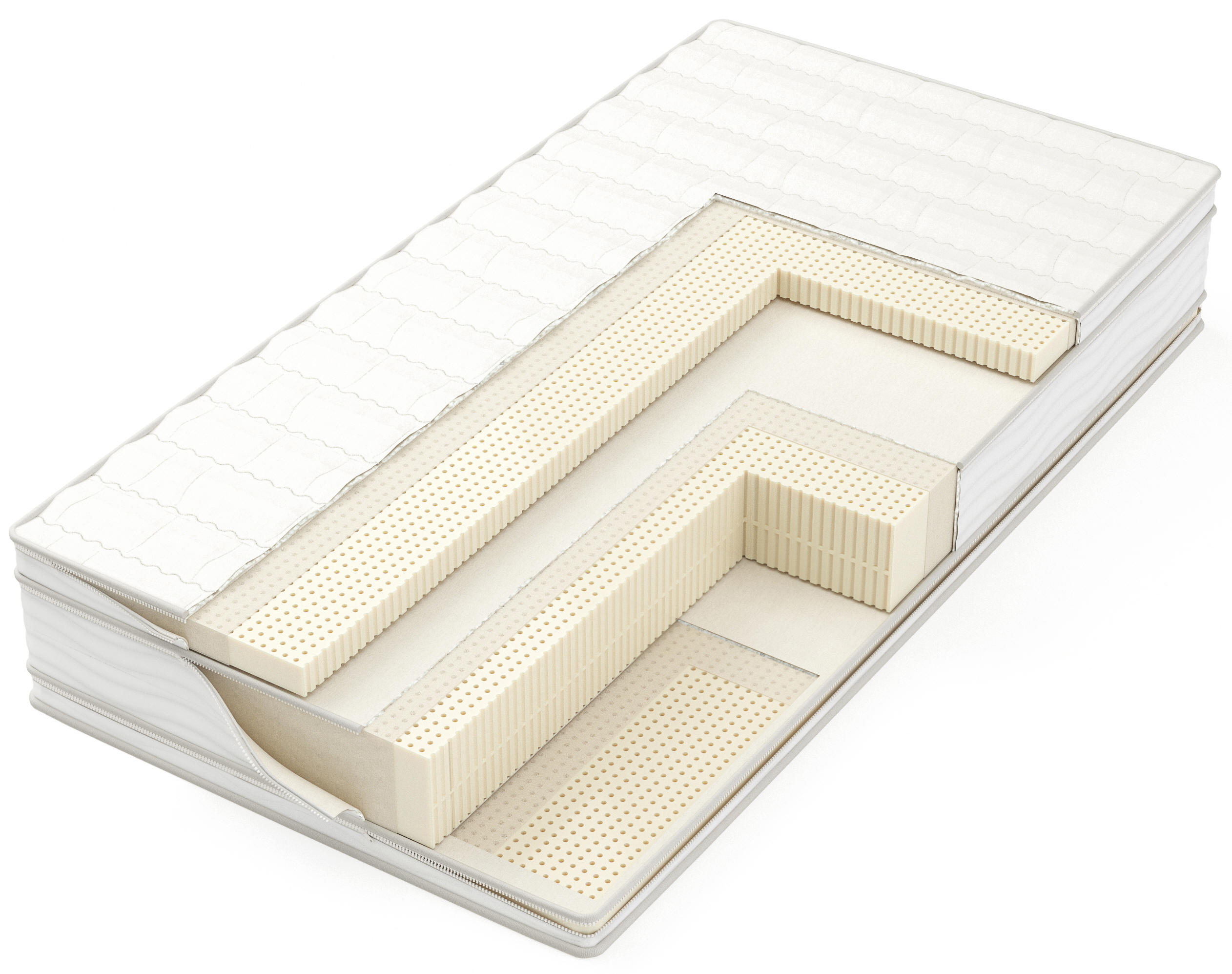
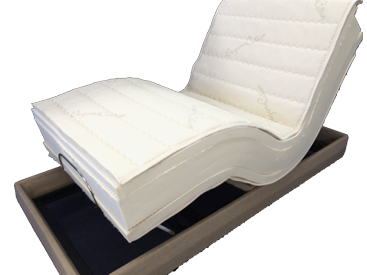
Yes. Latexpedic latex mattresses come in layers. It's easy to unzip the cover and rearrange these layers at home to make the bed firmer or softer. Latexpedic even offers "Split Firmness" for couples, where one side is firm and the other is medium.
What is the difference between Dunlop and Talalay latex?
Dunlop is the traditional method. The liquid latex is poured into a mold and baked. It is denser and firmer at the bottom, making it ideal for the support core of a mattress. Talalay is a more modern, intensive process involving a vacuum and flash-freezing. It results in a more consistent, airy, and "cloud-like" feel, usually preferred for the top comfort layers.
Why is latex so much more expensive than other mattresses?
The cost is higher because harvesting natural rubber sap is labor-intensive. A single Queen-size all-latex mattress requires the daily output of roughly 2,500 rubber trees. However, because it lasts twice as long as other mattresses, the "cost per year" is often lower.
How does latex feel compared to memory foam?
Memory foam and latex are opposites in "response time." Memory Foam: Known for "sink" and "hug." It uses your body heat to contour and takes a few seconds to bounce back when you move. Latex is known for "buoyancy." It pushes back against you immediately. You feel like you are sleeping on the mattress rather than in it. It is much easier to change positions on latex.
Does it have a strong chemical smell (off‑gassing)?
Natural/Organic Latex: Has a very mild, "vanilla-like" or earthy scent that dissipates quickly. It does not "off-gas" harmful volatile organic compounds (VOCs).
Can I use it with my current bed frame?
Latex mattresses are extremely heavy and flexible. Do: Use a solid platform or a slatted base with slats no more than 3 inches apart. Don't: Use a traditional box spring with wide-spaced coils, as the heavy latex can "flow" into the gaps and sag. They are also excellent for adjustable bases because of their flexibility.